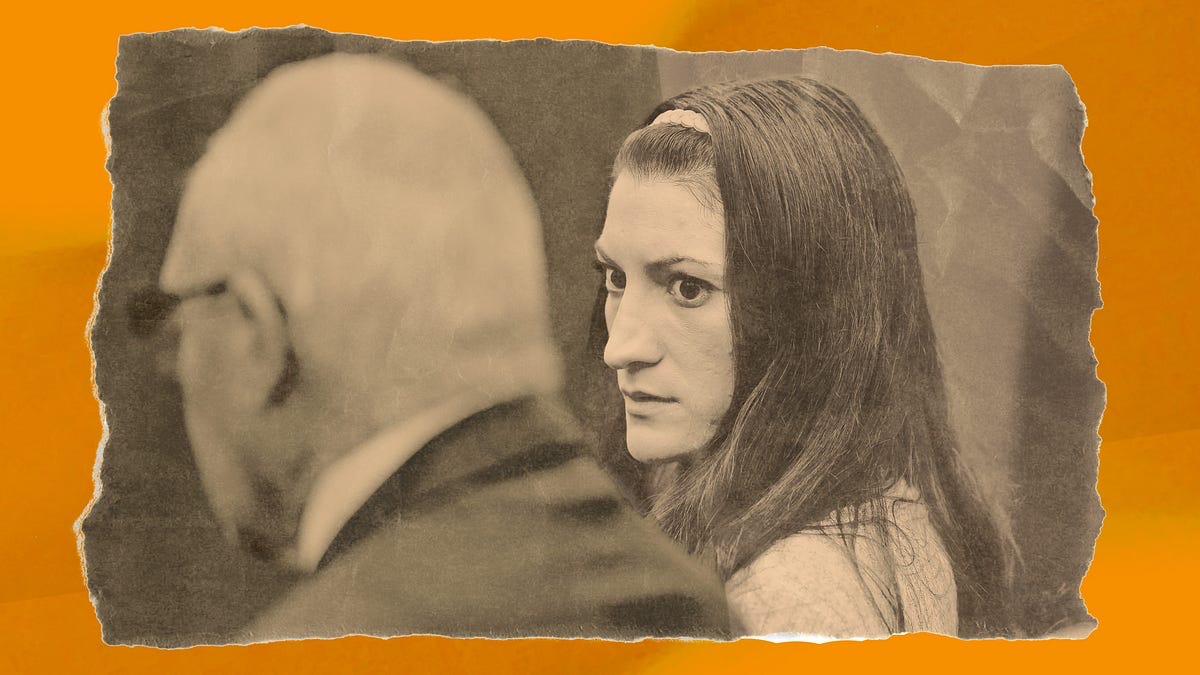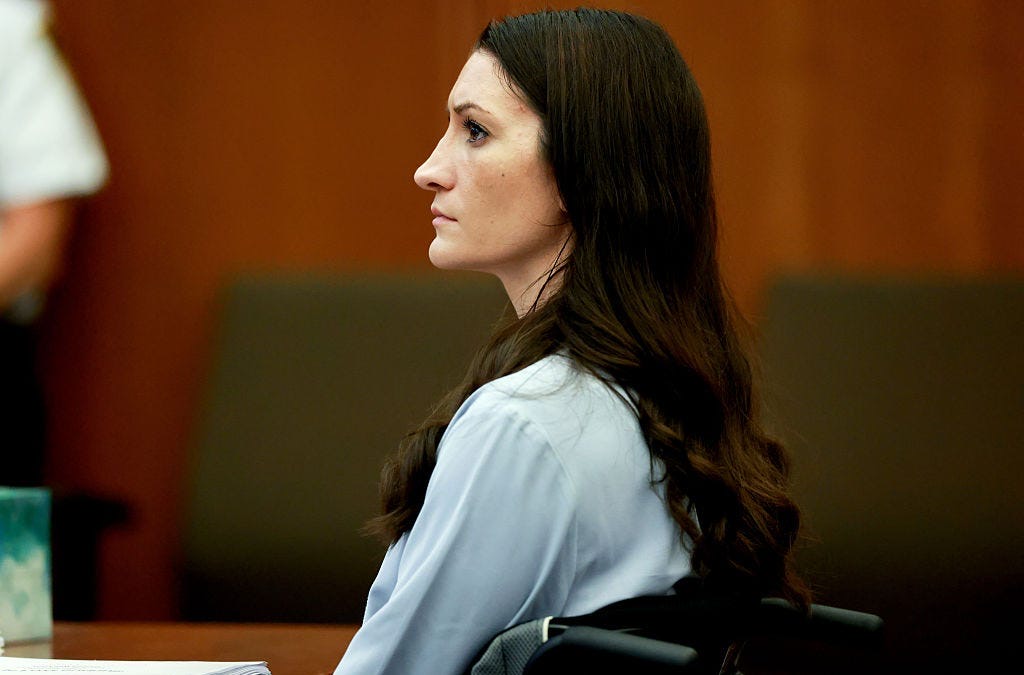
The facts in the Lindsay Clancy case are not contested. On the evening of January 24, 2023, Clancy's three children — Cora, age 5; Dawson, age 3; and Callan, 8 months old — were found in the basement of the family home, strangled with exercise bands. Cora and Dawson were pronounced dead at the scene. Callan died three days later after a brief hospitalization. Clancy herself was found outside on frozen ground, her back broken, bleeding from wounds on her wrists and neck, which she had inflicted with a knife before jumping from a second-story window.
She confessed. She does not deny the killings. The question before the jury — in a trial that began a few weeks ago in Plymouth, Massachusetts, and is being watched live by hundreds of thousands of people — is not whether she did it, but whether she was sane enough at the time to be held accountable. Prosecutors argue the killings were premeditated and coolly executed, and are seeking life in prison without parole. The defense contends that Clancy was incapacitated by postpartum psychosis and therefore not criminally responsible.
The medical picture is not simple. According to reporting, Clancy had been prescribed a rotating series of psychiatric medications — including sertraline, fluoxetine, mirtazapine, trazodone, lorazepam, clonazepam, buspirone, and quetiapine — over a short period after initially seeking help for postpartum depression following Callan's birth. The effects of such a regimen on the central nervous system are, by any clinical measure, serious.
None of that complexity has slowed the internet down.
Online, a GoFundMe set up by Clancy's parents has raised $800,000 and counting. Women have posted that they 'could have been Lindsay Clancy,' framing her as the innocent victim of a medical system that failed her. On TikTok, some users have claimed that Clancy's husband framed her for the murders — a claim sourced not to evidence but to astrological signs and videos of him doing ordinary things, overlaid with spooky music. Those videos have tens of thousands of likes. On the other side, Clancy has been called a 'monster,' and influential voices have said she 'deserves to die.'
As the editors of The Free Press noted in introducing Kat Rosenfield's essay on the trial, both camps are engaged in the same underlying project: trying 'to box up and file away an act so incomprehensibly evil that it's virtually intolerable to look at directly, unshrouded by either the veil of compassion or the excitement of a mystery to be solved.'
The trial will produce a verdict. The internet has already produced several.
---
What the Clancy spectacle reveals is not a new pathology but an old one, accelerated. A courtroom is a place designed — imperfectly, but deliberately — to weigh evidence, hear testimony, and reach a finding of fact. It operates on rules of procedure precisely because human emotion, left unchecked, is a poor instrument for justice. The hundreds of thousands of viewers livestreaming this trial are not bound by those rules. They are bound only by their priors.
The result is predictable: the same act, the same defendant, the same undisputed facts — and two entirely different verdicts rendered before the jury has deliberated a single hour. One crowd sees a victim of pharmaceutical negligence and a sinister husband. The other sees a monster who deserves the maximum. Neither is doing the hard work of sitting with genuine moral uncertainty. What is at stake here is not just one woman's fate, but whether a society can still distinguish between a courtroom and a comment section. The record suggests we are losing that distinction fast.