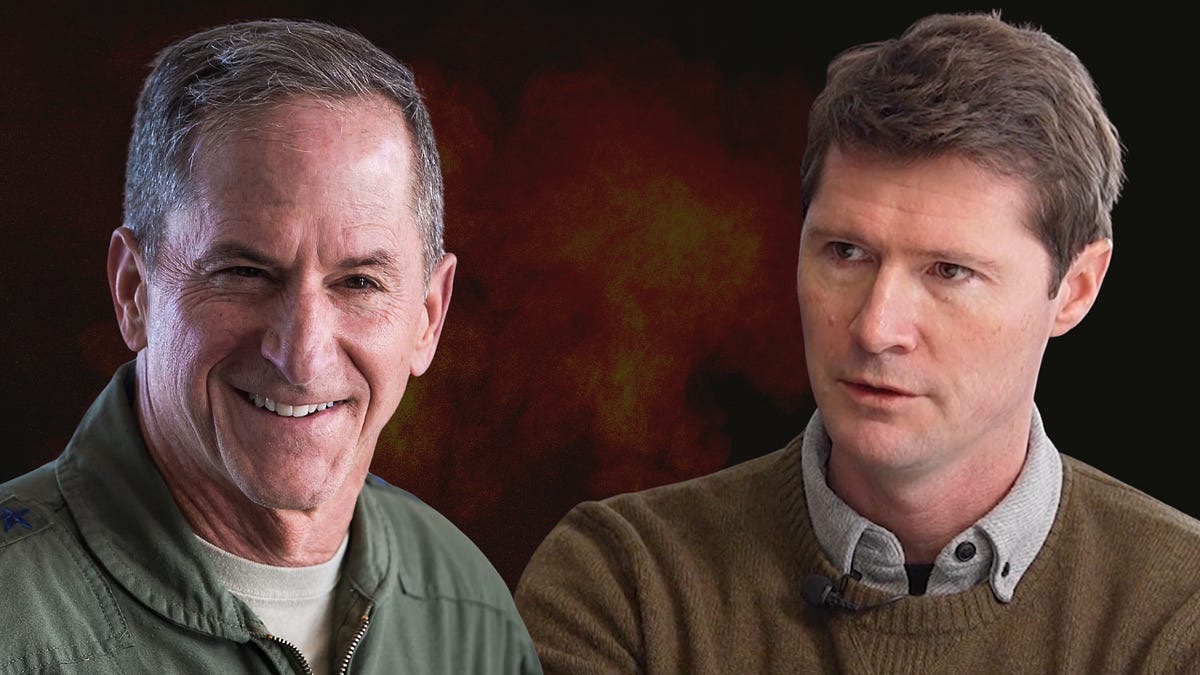
Every Democrat weighing a presidential run in 2028 will claim to understand the working class. Ro Khanna's version of that claim is more specific than most: he says he watched it disappear.
Khanna represents Silicon Valley in Congress — one of the wealthiest districts in the country — but the place he returns to most in his public argument is Pennsylvania, where, according to a conversation with Coleman Hughes published by The Free Press, the steel mills and auto plants shut down one by one. That biographical anchor is doing a lot of work in his emerging pitch.
The label he is reaching for is 'progressive capitalism' — a formulation that is, on its face, a direct challenge to the Bernie Sanders wing of his party. The argument, as Hughes frames it, is that the Democratic Party's future is pro-tech, economically nationalist, and far less interventionist abroad. Whether those three things cohere is the question no one in the interview is quite forced to answer.
Start with the tension between 'pro-tech' and 'economically nationalist.' Silicon Valley's business model depends on global supply chains, open immigration for high-skilled labor, and export markets. Economic nationalism, in any serious form, disrupts all three. Khanna has not yet been asked, on the record, to choose between them when they conflict — and in practice, they do conflict, regularly.
The foreign policy piece is similarly unresolved. 'Far less interventionist' is a posture that polls well in a primary and means almost nothing until a specific crisis forces a specific vote. Khanna's record on Gaza gives him credibility with the progressive base that has made that issue a litmus test. Whether that same record travels to a general electorate is a different calculation entirely.
What is genuinely interesting about the Khanna positioning is what it concedes. By calling himself a capitalist at all — by making the word 'progressive' the modifier rather than the noun — he is acknowledging, implicitly, that the party's last several cycles of economic messaging failed. That is a more honest starting point than most of his potential rivals are willing to offer.
The 2028 field is early and the conversation with Hughes is a podcast, not a platform. But the contours of the argument are visible: a candidate who wants to hold Silicon Valley's donor base while speaking to Rust Belt grievance, who wants to be anti-war without being isolationist, and who wants to run as a capitalist in a party whose activist energy remains skeptical of the word.
Follow the incentive, not the press release. The working class Khanna invokes lost ground not only because of trade policy but because of the regulatory and tax environment that made domestic manufacturing uncompetitive. 'Progressive capitalism' will need to answer that question directly — or it will remain a brand, not a program. The record, when there is more of it, will be worth watching.