The numbers are on the record. In 2026, Panama has registered 13 deaths associated with respiratory syncytial virus, or RSV. Twelve of those deaths were children under the age of five. Nine of them occurred in a single five-week window — between May 31 and July 11 — before the country had even crossed the official epidemiological alert threshold.
It has since crossed it.
A coalition of Panama's principal scientific societies issued an urgent public statement this past Saturday demanding that health authorities act now. The signatories — the presidents of the Panamanian Society of Pediatrics, the Panamanian Society of Pediatric Infectology, the Panamanian Society of Obstetrics and Gynecology, and the Panamanian Society of Infectology — are not given to alarm. Their statement is precise, time-bound, and unambiguous.
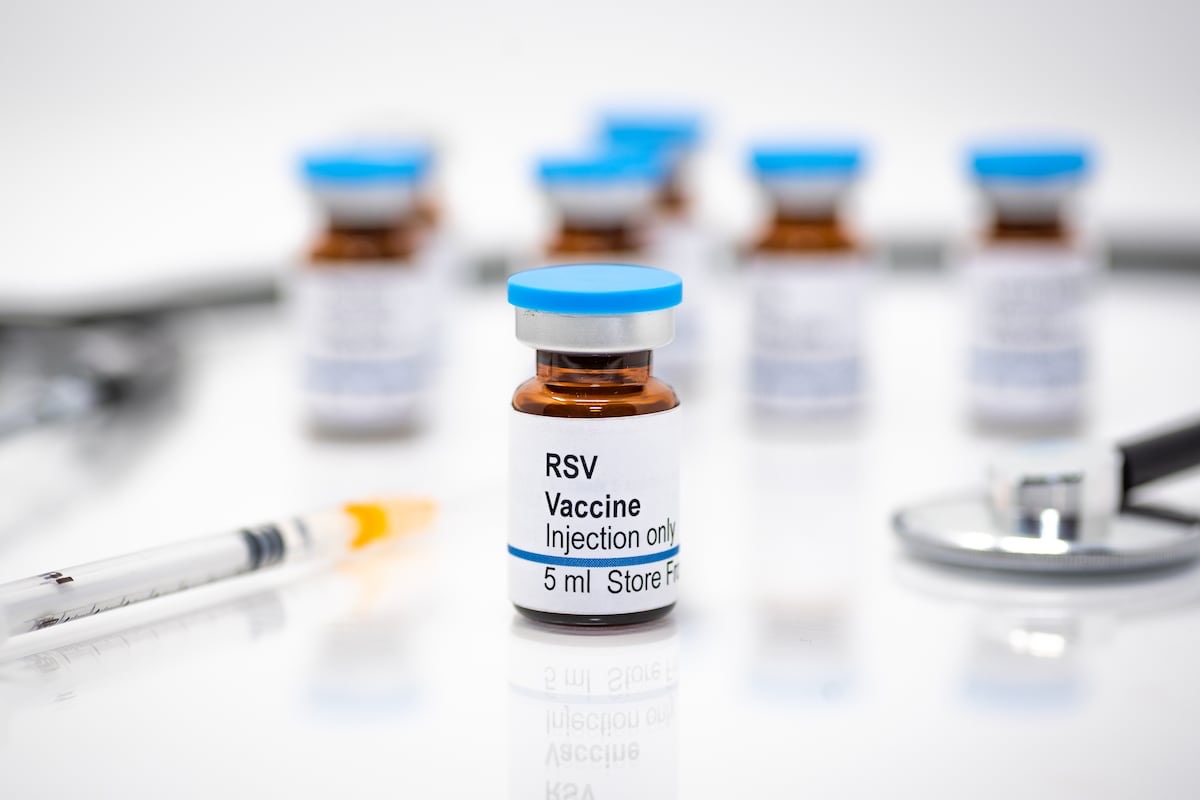
The core demand: accelerate the deployment of a long-acting monoclonal antibody against RSV to the current season, rather than deferring it to 2027 as the Ministry of Health (Minsa) has indicated. The antibody would be administered directly to newborns before discharge from maternity wards, protecting infants whose mothers were not immunized in time.
The societies acknowledge the value of the maternal vaccination program launched in 2025 — but they argue that a single-strategy approach leaves thousands of newborns exposed. Infants born prematurely, before maternal antibodies can transfer, are among those left unprotected. The Expanded Immunization Program reportedly holds more than 69,000 vaccine doses in storage, yet the societies are demanding that disaggregated coverage data be published immediately, so that the actual number of protected newborns can be determined rather than assumed.
Their demands carry deadlines. Within 15 days, they want a binding procurement and distribution schedule. Within 10 days, a technical working group with Minsa and the Social Security Fund (CSS) must be convened. First shipments, they specify, should be directed to the regions with the highest mortality: the Ngäbe Buglé comarca, Bocas del Toro, and Chiriquí.
The statement's closing line is worth quoting in full: 'The existence of an effective preventive intervention transforms delay into a decision with foreseeable health consequences.'
Say it plainly: the government knows a tool exists, has been told it works, and has chosen not to deploy it this season. That is not a procurement lag or a bureaucratic bottleneck — it is a policy position with a body count attached.
President Mulino's administration has staked its credibility on institutional competence and results-oriented governance. The canal runs, investment is being courted, and the rule of law is the pitch to foreign capital. All of that is undermined, not reinforced, when the state's own medical establishment is forced to issue emergency communiqués about preventable infant deaths. The incentive to act is not only humanitarian — it is political and reputational. The record of who asked for what, and when, is now public.