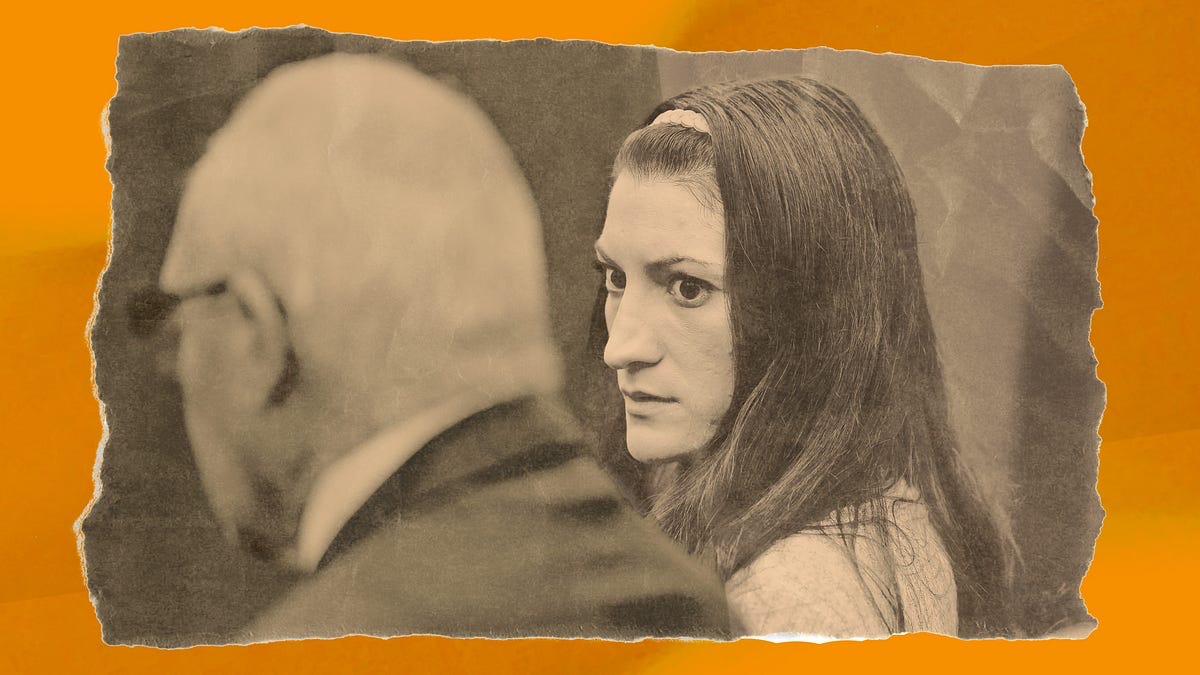
The trial of Lindsay Clancy, the Massachusetts mother accused of strangling her three children, has become something the American legal system was not designed to accommodate: a content event.
According to reporting from The Free Press, the case has generated a wave of conspiracy theories online, with commentators — including Real Housewife Lisa Rinna and, apparently, Rinna's therapist — offering their own readings of the evidence from the comfort of their platforms. The Free Press describes it as a 'therapist-assisted attempt to crack the case.' That phrase deserves a second read.
This is where we are. A criminal proceeding involving the deaths of three children has been absorbed into the same media ecosystem that processes celebrity feuds and reality television drama. The audience is engaged. The algorithm is fed. The victims are, in the coverage, largely incidental.
The comparison invoked — Clancy as 'the O.J. of white women' — is itself a signal worth examining. The O.J. Simpson trial was the moment American media discovered that a murder case could be a ratings vehicle. What followed was not a more informed public. It was a template. Every subsequent high-profile case has been processed through that template: the sympathetic framing, the counter-narrative, the online jury that reaches its verdict before opening arguments.
The record here is straightforward. Clancy is on trial. The charges are specific. The facts will be tested in court, under rules of evidence, by people with legal obligations. None of that is happening on social media, where the incentive is not accuracy but engagement — and where a therapist's hot take carries the same algorithmic weight as a forensic report.
What is also on the record: the three children are dead. That fact tends to get buried under the discourse about the mother, her mental state, her sympathizers, her detractors. The children do not generate content. They do not have advocates with follower counts. They are, in the grammar of this particular media moment, supporting characters in someone else's story.
Say it plainly: the spectacle around this trial is not justice-seeking. It is entertainment dressed in the language of concern. The conspiracy theories, the celebrity commentary, the therapist-assisted analysis — none of it serves the court, the victims, or the truth. It serves the platforms.
The deeper problem is structural. When a criminal trial becomes a cultural event, the pressure on the actual proceedings intensifies in ways that are difficult to measure and impossible to fully contain. Jurors are human. The ambient noise of a national verdict — rendered on X, on podcasts, in therapy sessions broadcast to thousands — does not simply disappear at the courthouse door.
Follow the incentive, not the press release. The incentive here is not to find out what happened. It is to have an opinion about what happened, loudly, before anyone else. That is a different enterprise entirely. The court will do its work. Whether the rest of us can resist turning that work into a season finale is, at this point, an open question.