Jake Altman joined the Democratic Socialists of America in 2013. By his own account, it was then a coalition of middle-aged social democrats — reformist, incremental, working within the system. When he left in 2022, he says, it had become a revolutionary organization. That is not a small distinction.
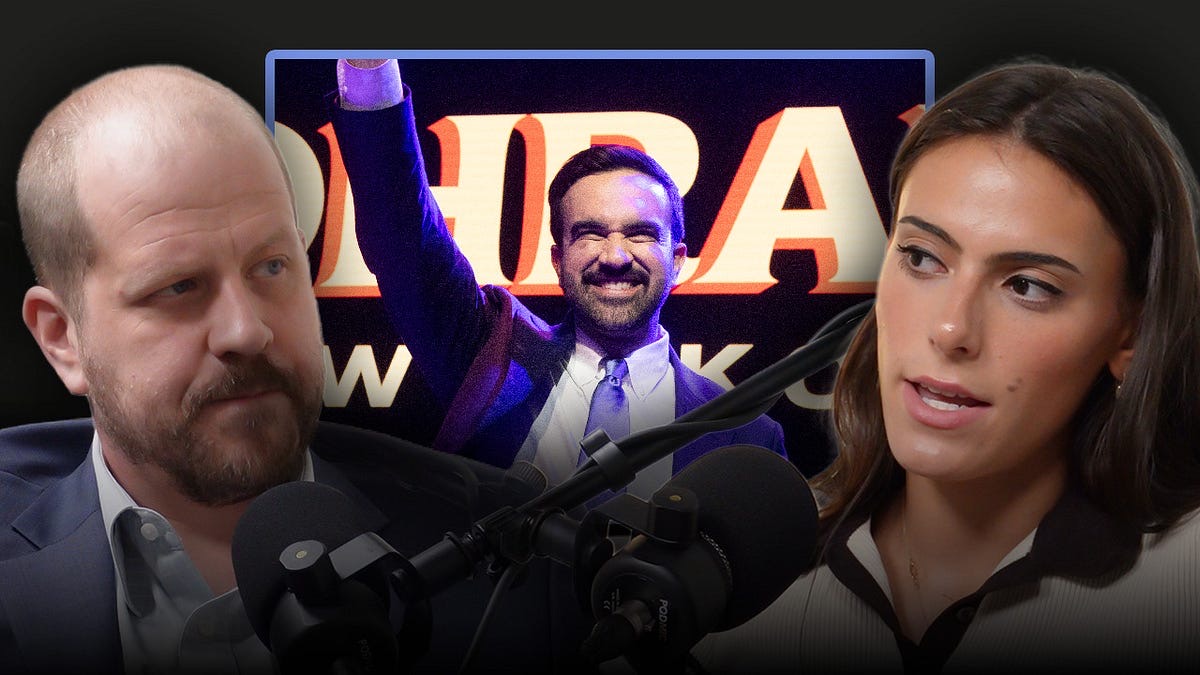
Altman's account, shared with Maya Sulkin — host of Confessions at The Free Press — is scheduled for publication on August 10, 2026. What is already on the record is the arc he describes: a decade-long transformation that he witnessed from the inside, and that he believes now carries real consequences for the Democratic Party's direction.
The demographic shift Altman points to is not incidental. The DSA of 1991 looked different from the DSA of 2013, and the DSA of 2013 looked different from the DSA of 2022. Each iteration moved the organization further from the tradition of democratic reform and closer to something that, in his telling, no longer resembled what he signed up for.
Sulkin's reporting at The Free Press focuses on the ideological capture of university campuses and why young people are drawn to radical movements. That lens matters here. The DSA's transformation is, in part, a story about where young Americans are finding political meaning — and what institutions are shaping that search. An organization that once debated marginal tax rates now, according to Altman, wields 'tremendous power in Democratic politics.' That is the kind of institutional capture that tends to be invisible until it isn't.
The full interview has not yet been released. What the available material establishes is the basic shape of Altman's argument: that the DSA's radicalization was not accidental, that it accelerated over a specific window of time, and that its influence on the Democratic Party is now significant enough to warrant serious attention.
Say it plainly: a former insider describing an organization's shift from social democracy to revolutionary politics is not a partisan talking point. It is a data point about how institutions change — and who benefits when they do.
Follow the incentive, not the press release. The DSA's growing influence inside Democratic politics raises a straightforward question for voters who care about free enterprise, the rule of law, and limited government: which direction does that influence pull? Altman's answer, based on nearly a decade of direct observation, appears to be unambiguous. The full record will be public on August 10, 2026. It deserves a careful read.