The record is public, and it is not flattering.
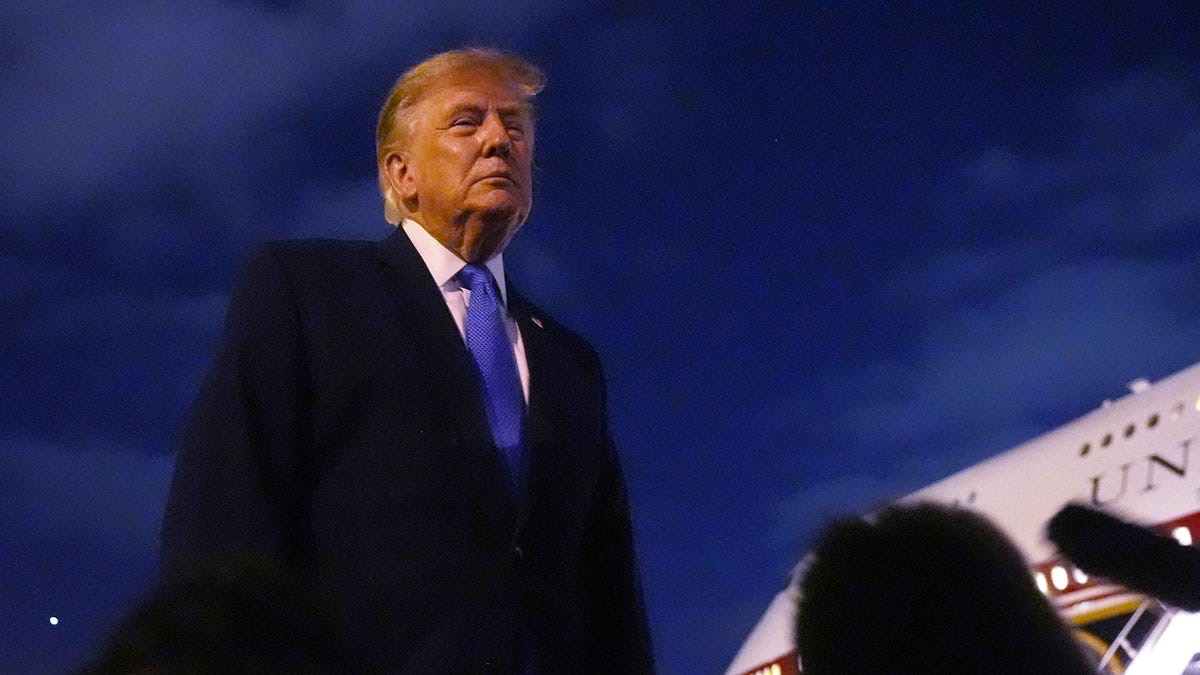
Since March, President Trump has issued at least five ultimatums to Iran over the Strait of Hormuz — threatening to 'obliterate' power plants, promising 'Power Plant Day' and 'Bridge Day,' warning that 'a whole civilization will die tonight' — and each time, within 48 to 72 hours, he has stood down. The pattern is now so established that Iran's leadership has apparently internalized it as a planning assumption.
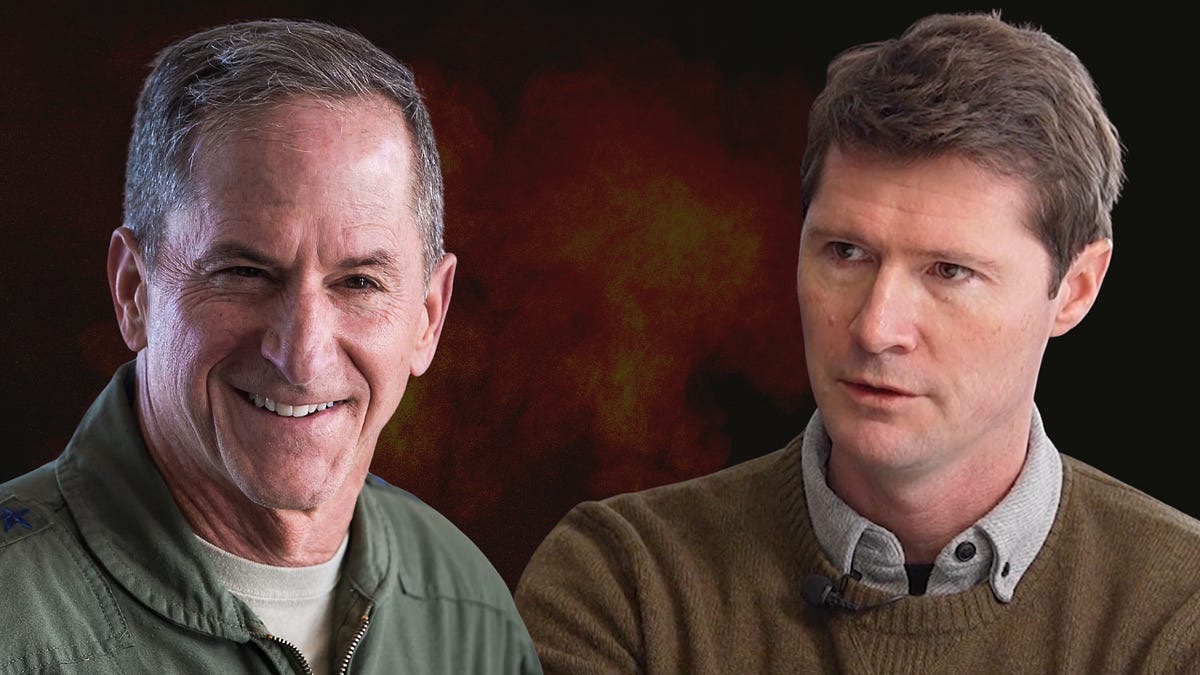
That is the argument Aaron MacLean, national security analyst at CBS News, put forward this week in a column that deserves a careful read. MacLean's core observation is structural, not partisan: a president who once made Barack Obama's unenforced 2013 'red line' in Syria a centerpiece of his foreign-policy critique has now produced at least five red lines of his own, each dissolved before the ink dried.
The specifics are on the record. On March 21, Trump wrote on social media that Iran had 48 hours to fully open the Strait of Hormuz or face strikes on power plants, 'starting with the biggest one first.' Two days later, he postponed all military action, citing 'very good and productive conversations' with Tehran. When those conversations proved less productive than advertised, Trump posted on April 5 that 'Tuesday will be Power Plant Day, and Bridge Day, all wrapped up in one.' Two days after that, on the morning of April 7 — after writing that 'a whole civilization will die tonight, never to be brought back again' — he suspended his threats for two weeks, citing a request from Pakistan's leadership.
According to MacLean, Iran's leaders have drawn one of two conclusions from this sequence: either the regime can survive another round of major American strikes, as it survived what MacLean describes as 'the worst' strikes in March and April, or they believe Trump's threatened escalation will never arrive. Neither conclusion strengthens the American position at the negotiating table.
The diplomatic track now underway, MacLean writes, 'can only hand substantial control of the Strait of Hormuz to Iran.' That is a serious claim about a waterway through which a significant share of global oil exports moves. It is also, given the documented sequence of threats and retreats, a claim grounded in observable behavior rather than speculation.
What MacLean calls an attempt to 'surrender with dignity' is the sharpest phrase in the piece, and it points to a real strategic problem: Iran's leadership, he argues, will accept the substance of a retreat but will not provide the face-saving framing Trump needs to move on.
---
The Signal's read is this: the strongest foreign policy is one whose threats are proportioned to the will to carry them out. A credible deterrent requires, above all, credibility — and credibility, once spent, is not recovered by louder language. The administration came into office with genuine leverage: maximum-pressure sanctions, a demonstrated willingness to strike (the killing of Qasem Soleimani in 2020 remains the clearest example), and an adversary that had reason to believe the cost of defiance was real.
That leverage is not gone, but the pattern MacLean documents has eroded it. The Strait of Hormuz is not a peripheral issue; it is the jugular of global energy markets, and the terms on which it operates affect every economy that depends on price stability. A deal that leaves Iran with effective control of that chokepoint is not a negotiating win — it is a structural concession dressed in diplomatic language. The president who made 'America First' his governing principle should consider what it means to let a sanctioned theocracy set the terms at the world's most important maritime passage.