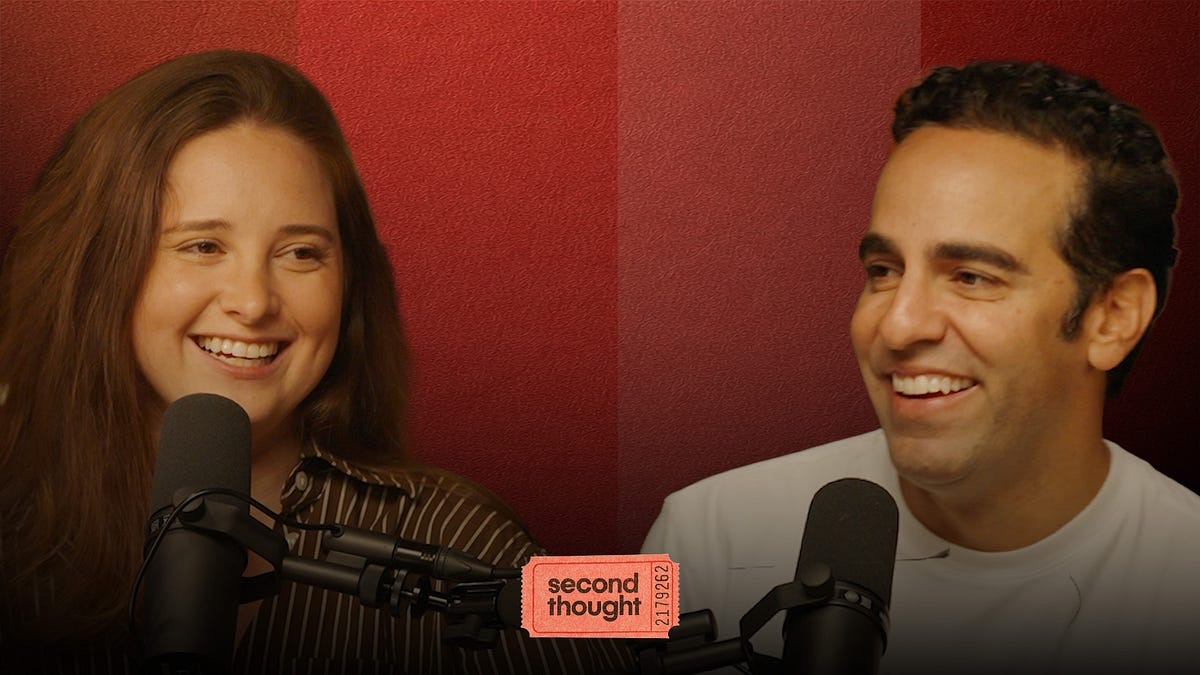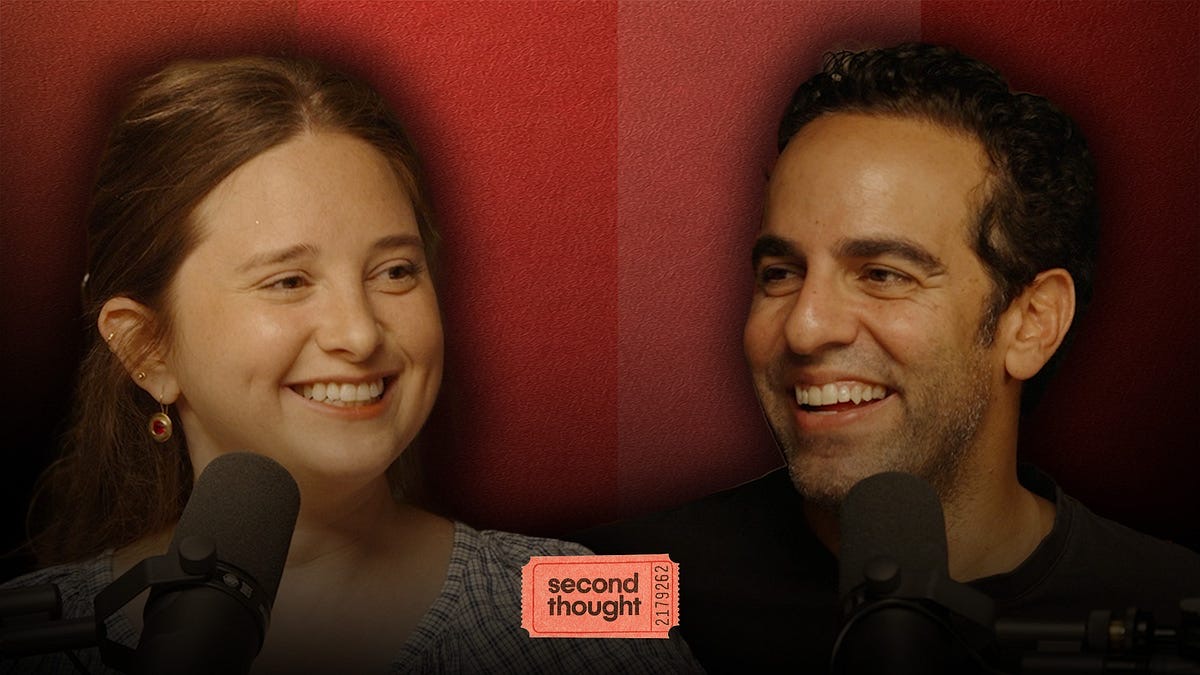
The news cycle has a way of burying the stories that actually tell you something. This week, The Free Press podcast Second Thought — hosted by Suzy Weiss and comedian Dan Ahdoot — worked through several of those buried dispatches, and the picture they assembled is worth a closer read.
The Leto allegations. The episode addresses sexual misconduct allegations against actor and musician Jared Leto. The sources available do not detail the specific claims beyond that characterization, and The Signal will not go further than the record permits. What the record does show: the allegations are being discussed in a mainstream culture context, which is itself a data point about where the conversation is.
Ariana Grande steps back. According to the episode, the pop star has made a decision to step back from public life, with Weiss and Ahdoot flagging growing concern over her health. Again, the sourcing stops there. What is notable is the framing: not a publicist's statement about 'rest and renewal,' but a genuine question about whether the machinery of celebrity — the schedules, the image management, the relentless output — is sustainable for the people inside it. That question does not get asked often enough.
The naked steakhouse. The third thread involves what the episode describes as 'naked steakhouses' — a cultural phenomenon the hosts treat as emblematic of something larger about modern American life and its relationship to novelty, spectacle, and the collapse of the ordinary. The sourcing does not elaborate further, but the juxtaposition with the other two stories is the point: this is what fills the cultural space when institutions stop producing things worth taking seriously.
A ketamine-healed executive sues Netflix. The episode also spotlights a story about an executive who, after reportedly healing through ketamine treatment, has filed a lawsuit against Netflix. The details beyond that summary are not available in the sourcing, but the story sits at the intersection of several live debates — about mental health treatments moving from fringe to mainstream, about corporate accountability, and about what happens when personal transformation collides with institutional power.
Weiss, a co-founder and reporter at The Free Press and former features reporter at the New York Post, has built her beat around exactly this kind of dispatch: the internet, culture, Gen Z, the stories that travel fast and get explained slowly, or not at all.
---
Say it plainly: culture coverage is not a soft beat. It is where incentives, values, and institutions reveal themselves without the filter of a press briefing. The Leto story, the Grande story, the ketamine lawsuit — each one is a small window into how American public life actually functions, as opposed to how it presents itself. Follow the incentive, not the press release. The press release, in this case, would have you believe none of these stories are worth your time. The record suggests otherwise.