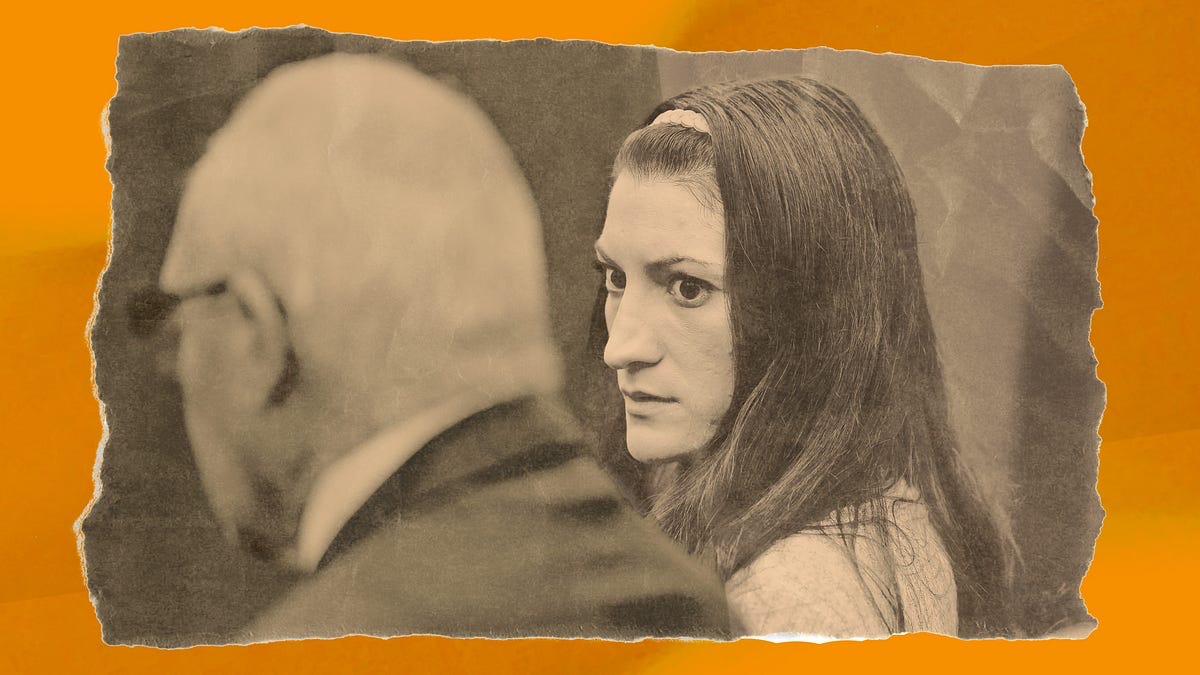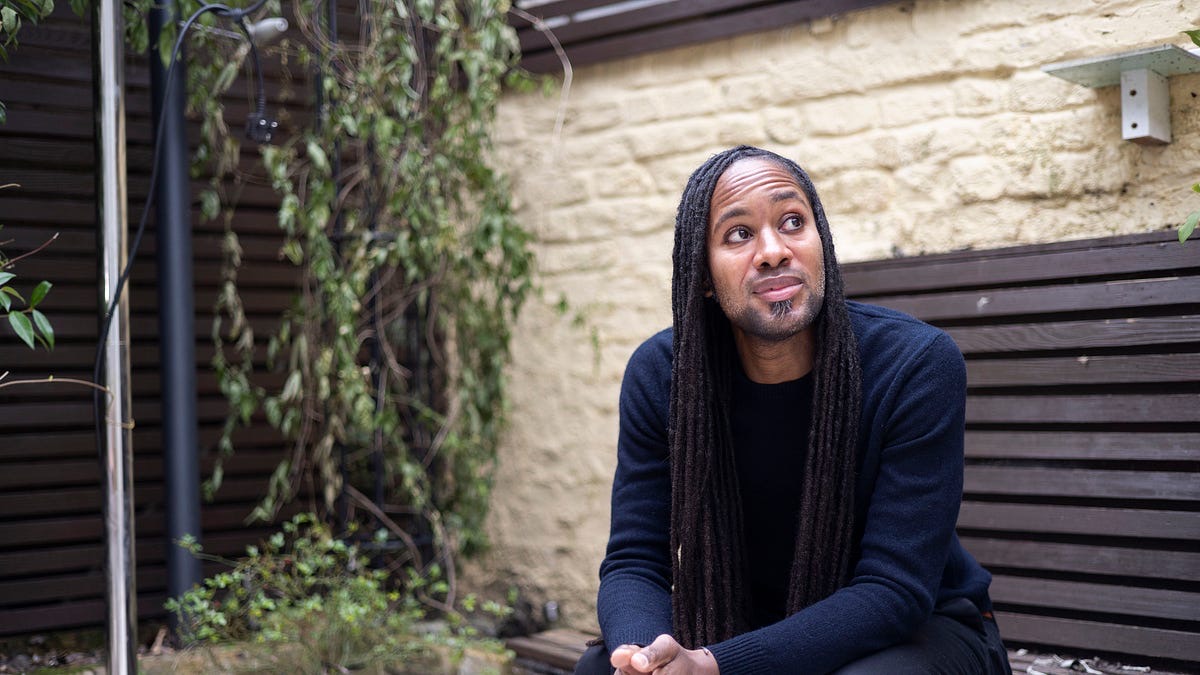
Jason Arday, celebrated as the University of Cambridge's youngest black professor, was found dead at home in London on Friday in an apparent suicide. He had been accused of plagiarizing much of his work and lying about biographical details in a recent memoir. The record on those accusations is public. What followed his death, however, was something else entirely.
London Mayor Sadiq Khan posted on X that 'Jason Arday was the victim of a pernicious public shaming that other people in his position simply wouldn't have faced.' Left-wing Member of Parliament Zarah Sultana wrote that 'if Jason Arday were a white middle-class academic, he would not have been hounded by the British press in the way he was.' And Ibram X. Kendi — who rose to prominence during the racial reckoning of 2020 — published an essay titled 'The Media Lynched Jason Arday,' addressing the deceased professor directly and describing the scrutiny as the work of 'racist propagandists.'
These claims deserve a direct answer, because they are not merely wrong — they are, as Douglas Murray writes at The Free Press, 'manifestly, sinisterly untrue.'
The record does not support the premise that white academics escape professional destruction when their conduct is questioned. Kathleen Stock was bullied out of the University of Sussex over her views on gender. Sir Tim Hunt resigned from his honorary professorship at University College London after an online backlash over a single, perhaps off-color joke about women. Neither received the wave of public sympathy now extended to Arday. The pattern, on the evidence, runs in the opposite direction from the one Khan, Sultana, and Kendi describe.
A man is dead. That is the fact that should anchor this conversation. But the rush to convert his death into a racial grievance — before the ink on any investigation is dry, before the plagiarism accusations have been formally adjudicated, before anyone has paused to ask what institutional pressures actually produced this outcome — is not solidarity. It is the use of a corpse to settle an ideological argument.
Follow the incentive, not the press release. The diversity-and-inclusion apparatus that elevated Arday had every reason to celebrate his ascent and every reason, now, to deflect from the question of whether that apparatus served him well. Institutions that promote people faster than their work can be verified, that treat scrutiny of a favored candidate as bigotry, and that build careers on identity rather than merit do not protect the people they champion. They expose them.
The tragedy of Jason Arday is not that journalism asked hard questions about his work. Journalism is supposed to do that — for everyone, regardless of background. The tragedy is that the system around him appears to have failed him long before any reporter did. Blaming the press, and calling it racism, ensures that failure will happen again.