Rep. Tom Suozzi, who represents New York's 3rd Congressional District — stretching from northeastern Queens to a vast swath of suburban Long Island — has issued a public warning to fellow Democrats: reject the Democratic Socialists of America.
Suozzi has been an uncompromising critic of his party's far-left flank. Earlier this year he co-authored the 'Promise to America' with other Democrats, a document meant to rebuke socialism and reaffirm what he calls the party's core principles.
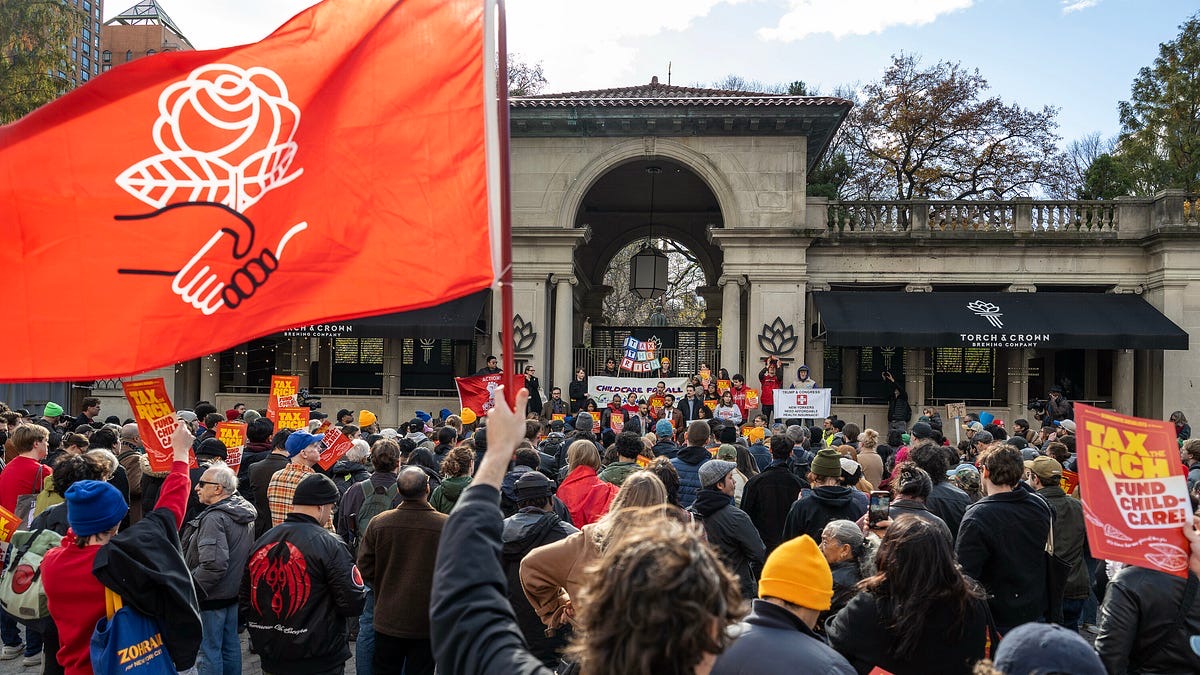
The numbers, by his own account, are modest. The DSA counts 120,000 members in a country of roughly 330 million people. But Suozzi argues size is not the point. The organization is 'aggressive and disciplined,' and its affiliated candidates are winning Democratic primaries.
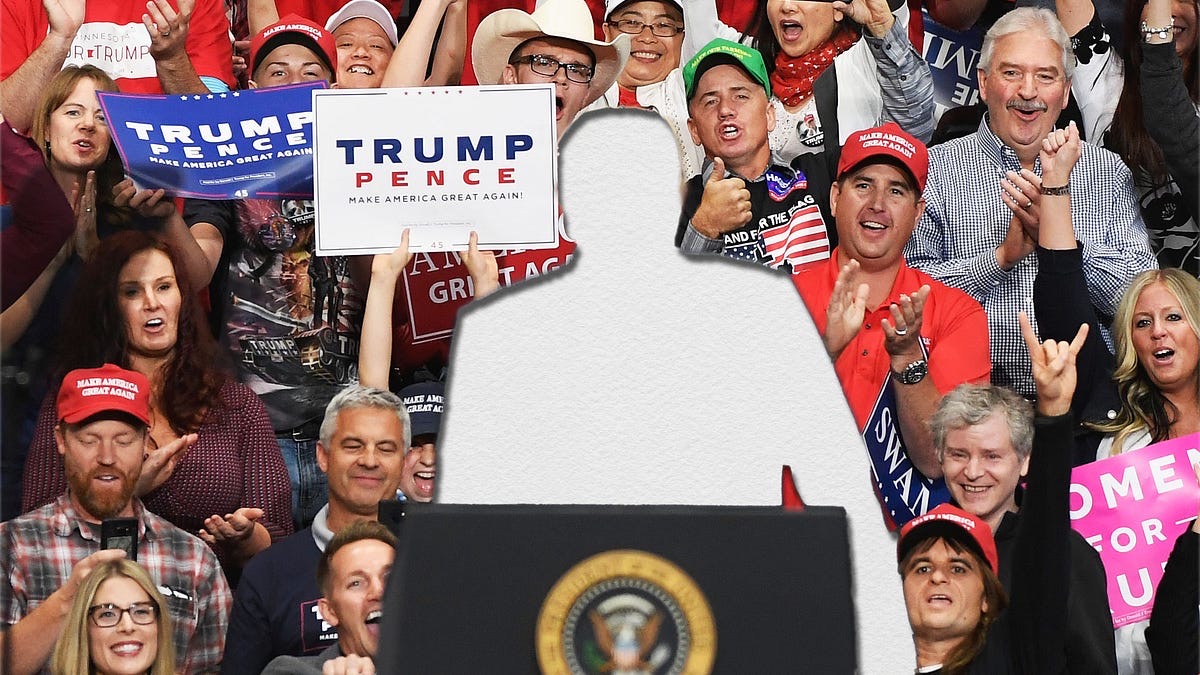
'Republicans will not treat individual DSA victories as local events,' Suozzi writes. 'They will use every one of them to try and define the entire Democratic Party.'
Suozzi frames the stakes in historical terms. He points to 1964, when Republican leaders badly underestimated Barry Goldwater, the Arizona senator many considered too conservative and too narrow in his appeal. Goldwater's supporters, Suozzi notes, were better organized and understood that party contests can be won by mobilizing passionate voters while the broader electorate stays divided or disengaged. It is, in his telling, a warning about what happens 'when a determined ideological movement catches a party divided, complacent, or unprepared.'
Suozzi does not dismiss the discontent fueling the DSA's rise. He writes that millions of Americans are losing faith in their government, their institutions, and an economic system that no longer seems to reward hard work — struggling to afford housing, healthcare, and education while wealth concentrates at the top.
But his conclusion is blunt: if Democrats hope to earn the confidence of those voters this November and beyond, 'the answer will not be found' in the DSA's platform. 'We cannot allow them,' he writes, 'to drag our party to the far left.'
—
What's notable here is not that a Republican is warning about socialism's advance inside the Democratic coalition. It's that a sitting Democratic congressman is doing so, in public, under his own name, and framing it as an existential matter for his party's electoral viability.
Say it plainly: Suozzi is describing an incentive structure, not a conspiracy. A small, disciplined faction can win low-turnout primaries even when it cannot win general elections, and the party that fails to reckon with that math inherits the label its opponents assign it. That is precisely what he predicts Republicans will do with every DSA primary victory — nationalize it, brand it, and hang it around the neck of every Democrat on the ballot.
The record is public: 120,000 members is a rounding error in a country of 330 million, yet the DSA's influence on candidate selection is real enough that a member of Congress felt compelled to organize a formal rebuttal. That gap between raw numbers and outsized leverage is the story — and it's one institutional progressives inside the Democratic Party will have to answer for, whether or not Suozzi's colleagues choose to listen.